
PRODUCT CENTER
CONTACT US

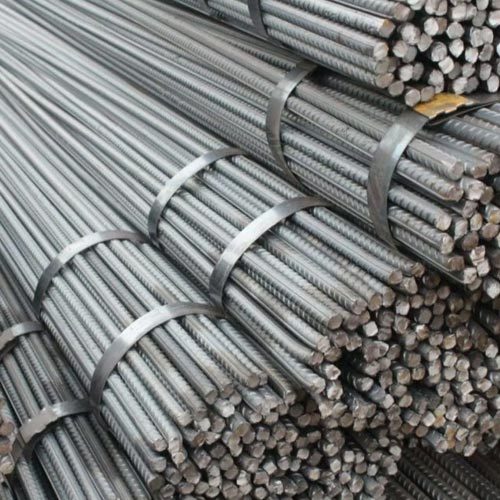
Wire rods are mainly used as blanks for wire drawing, and can also be directly used as building materials and processed into mechanical parts.
Wire rod, also known as wire rod, usually refers to small diameter round steel in coils. The diameter of the wire rod is in the range of 5-19 mm (usually 6-9 mm), and its lower limit is the minimum size of the hot rolled steel section.
Wire rods are round steel with relatively small diameter. The commodity form is supplied in coils. On the construction site, the common ones are those with diameters of 6, 8, 10 and 12 mm, most of which are low carbon steel. Generally, they are not used for the main reinforcement of reinforced concrete structures, but are mainly used for making reinforcement sleeves. There are also small diameter "brick reinforcement" used in brick concrete structures.
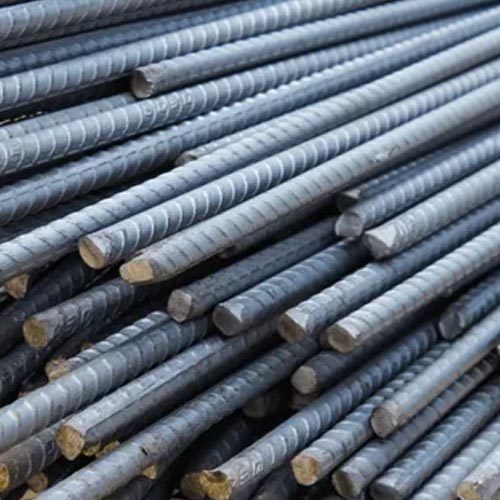
Wire rods are mainly used as blanks for wire drawing, and can also be directly used as building materials and processed into mechanical parts.
Wire rod, also known as wire rod, usually refers to small diameter round steel in coils. The diameter of the wire rod is in the range of 5-19 mm (usually 6-9 mm), and its lower limit is the minimum size of the hot rolled steel section.
Wire rods are round steel with relatively small diameter. The commodity form is supplied in coils. On the construction site, the common ones are those with diameters of 6, 8, 10 and 12 mm, most of which are low carbon steel. Generally, they are not used for the main reinforcement of reinforced concrete structures, but are mainly used for making reinforcement sleeves. There are also small diameter "brick reinforcement" used in brick concrete structures.
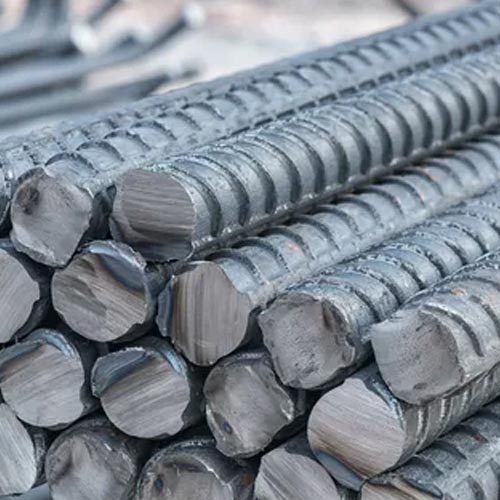
Wire rods are mainly used as blanks for wire drawing, and can also be directly used as building materials and processed into mechanical parts.
Wire rod, also known as wire rod, usually refers to small diameter round steel in coils. The diameter of the wire rod is in the range of 5-19 mm (usually 6-9 mm), and its lower limit is the minimum size of the hot rolled steel section.
Wire rods are round steel with relatively small diameter. The commodity form is supplied in coils. On the construction site, the common ones are those with diameters of 6, 8, 10 and 12 mm, most of which are low carbon steel. Generally, they are not used for the main reinforcement of reinforced concrete structures, but are mainly used for making reinforcement sleeves. There are also small diameter "brick reinforcement" used in brick concrete structures.
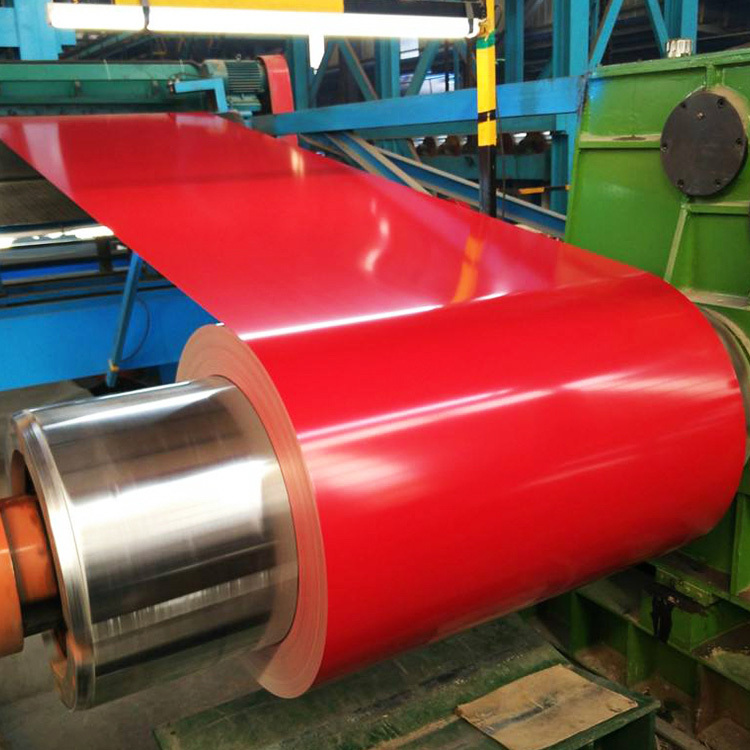
Q235 galvanized coil is a surface galvanized coil with yield strength of 235MPa.
PPGI is galvanized color plate, PPGL is galvanized color plate, both are color plates, the substrates are different, one is galvanized structure, the other is galvanized structure, the substrate is different, which determines the difference in performance.
DC01 Galvanized steel coil is used for automobiles, sanitary ware, food machinery, pressure vessels, nuclear power, chemical equipment, elevators, rail transit, machinery manufacturing, structural piping, and architectural decoration.
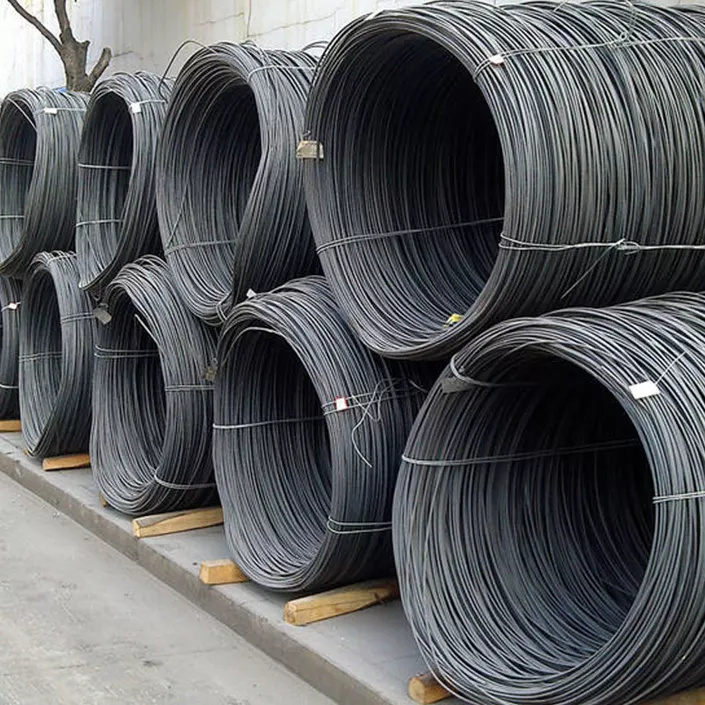
Wire rod is a rolled steel product (alloy or non-alloy), manufactured from a semi-finished steel with a rectangular, rounded,
hexagonal or squared shape. Especially, fine cross-sections are reached by sequent cold drawing. Wire rod is wrapped around into the coils and also carried in this form.
Steel wire rods can be used for a wide range of products depending on how it is shaped and treated. The main usage is wire mesh, nails springs, reinforcement wire, barbed wire, wire ropes , welded wire mesh.
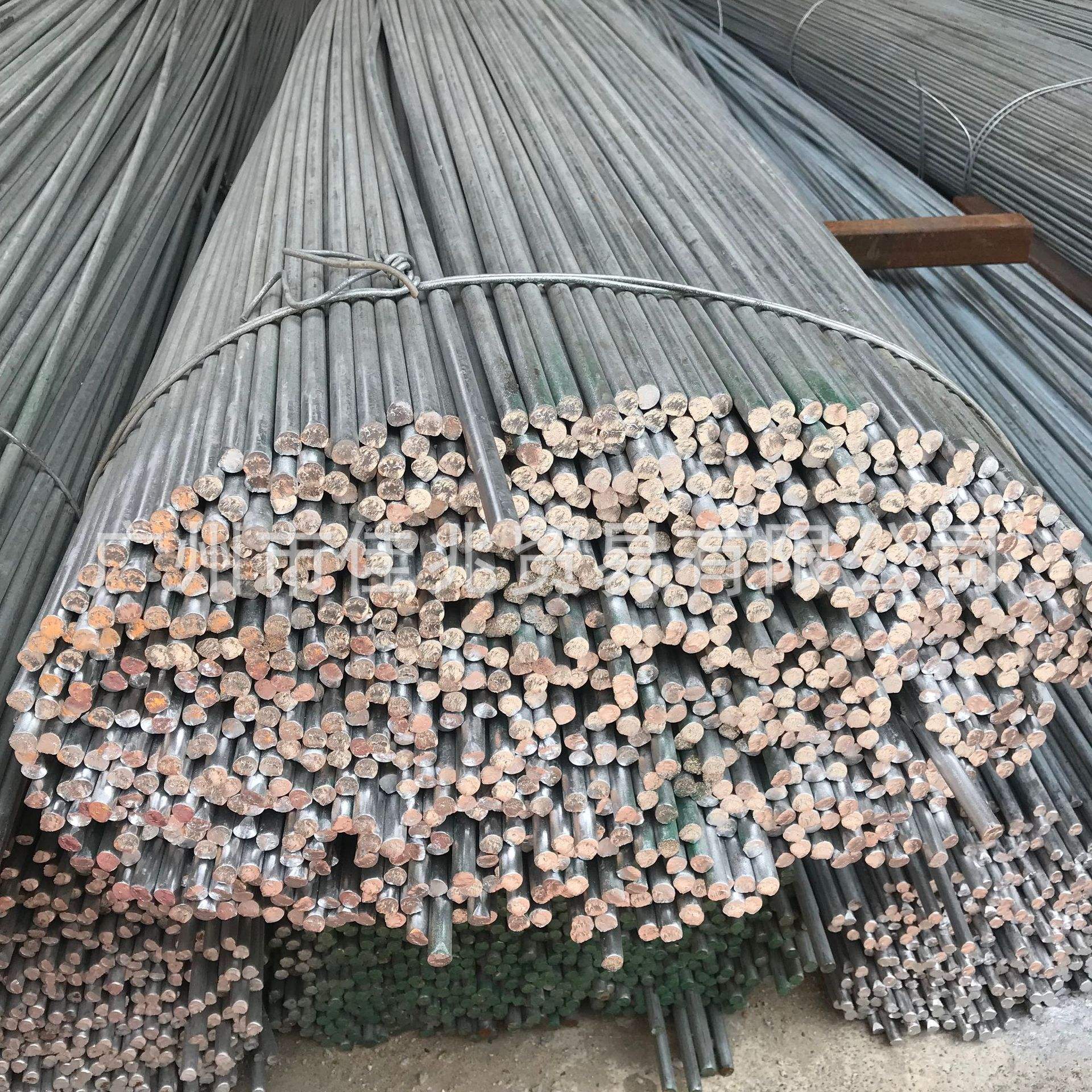
Wire rods are mainly used as blanks for wire drawing, and can also be directly used as building materials and processed into mechanical parts.
Wire rod, also known as wire rod, usually refers to small diameter round steel in coils. The diameter of the wire rod is in the range of 5-19 mm (usually 6-9 mm), and its lower limit is the minimum size of the hot rolled steel section.
Wire rods are round steel with relatively small diameter. The commodity form is supplied in coils. On the construction site, the common ones are those with diameters of 6, 8, 10 and 12 mm, most of which are low carbon steel. Generally, they are not used for the main reinforcement of reinforced concrete structures, but are mainly used for making reinforcement sleeves. There are also small diameter "brick reinforcement" used in brick concrete structures.
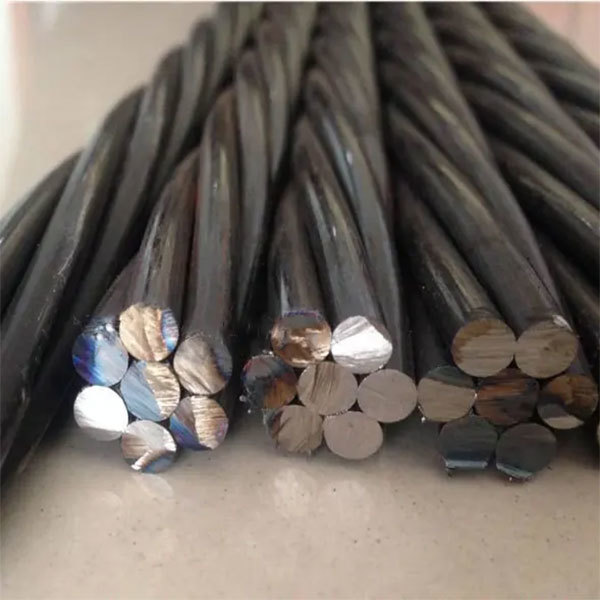
JIS G3536:1×7-12.7mm/15.2mm;
UNE 36094:1×7-9.3mm/13.0mm/15.2mm;
KS D:1×7-9.5mm/11.1.0mm/12.7mm/15.2mm;
AS/NZS4672:9.5mm(7 wire)/12.7nn/15.2mm;
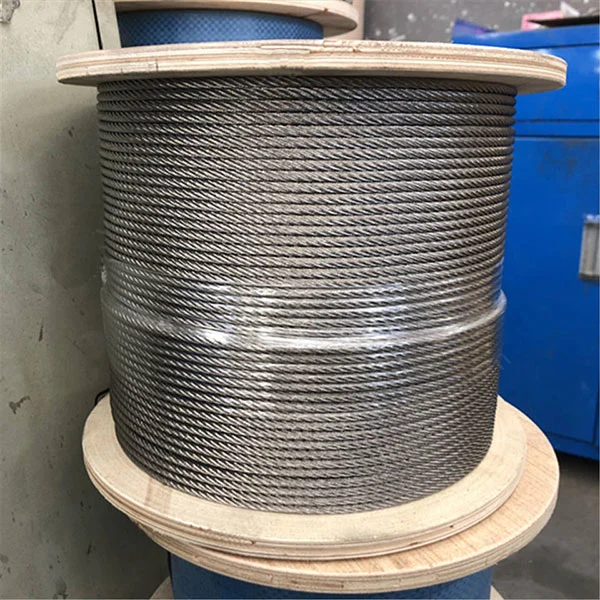
Advantage: Competitive price and quality from our own factory
Certification : Approved by ISO9001, CE, SGS every year

1. Grade: 201, 202,304,304L,304H,316,316L,430
2. Size: 0.3mm-16mm
3. AISI, ASTM, DIN, EN, GB, JIS
4. Certification: ISO
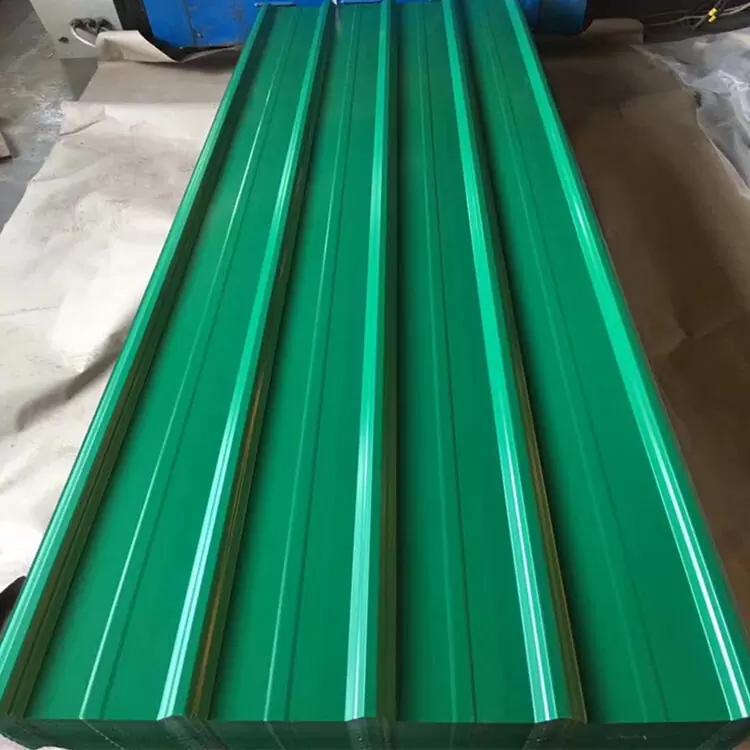
01. SMOOTHNESS
No composite indentation, no residual stress, no deformation after shearing.

1.Advantage: Competitive price and quality from our own factory.2.Certification : Approved by ISO9001, CE, SGS every year. 3.We promise that all steel sold will have a 2-year warranty period and will be responsible for every batch of goods you buy!

1.Advantage: Competitive price and quality from our own factory.2.Certification : Approved by ISO9001, CE, SGS every year. 3.We promise that all steel sold will have a 2-year warranty period and will be responsible for every batch of goods you buy!
SCAN IT